
What Should I Consider When Buying a Coastal Property?
For many people, buying a coastal property is a lifelong ambition. Whether it's a permanent home, a holiday property or an investment, living near the sea offers an attractive lifestyle and some of Northern Ireland's most desirable locations.
When people hear the term coastal property, they often imagine a house overlooking the sea or sitting directly on the shoreline. While these properties are certainly exposed to the harshest conditions, the effects of a coastal environment can extend much further inland than many people realise.
Northern Ireland is a relatively small island, and many properties located several miles from the coast are still influenced by prevailing winds, salt-laden air and prolonged exposure to driving rain. The level of exposure varies from one location to another, but proximity to the sea is only one factor that influences how a building performs over time.
This doesn't mean coastal properties should be avoided. Many provide decades of enjoyment. However, they often require appropriate design, suitable materials and regular maintenance to withstand the conditions they are exposed to.
One of the most important considerations is corrosion. Salt carried in the air can accelerate the deterioration of metal components that would perform perfectly well in less exposed locations. Flashings, fixings, lintels, handrails, balustrades and other external fittings may all require materials that are suitable for coastal environments.
External lighting is a good example. It's not only the visible housing that needs to resist corrosion; the internal components and fixings also need to be appropriate for coastal conditions. Otherwise, corrosion can develop internally before becoming visible on the outside of the fitting.
The same principles apply throughout a property. Roof fixings, rainwater goods, external joinery, protective coatings and exposed metalwork are all subjected to greater environmental demands than comparable properties further inland. Where suitable materials have been specified and regular maintenance has been carried out, many coastal properties perform exceptionally well.
Exposure is another important factor. Buildings facing open sea or occupying elevated positions may experience stronger winds and driving rain than properties that benefit from surrounding buildings or natural shelter. Two houses only a short distance apart can perform very differently depending on their location and orientation.
During a building survey, these factors are considered alongside the age, construction and overall condition of the property. The aim is not to discourage the purchase of a coastal home, but to identify whether the building has been designed, constructed and maintained appropriately for the environment in which it sits.
Every property should be assessed on its own merits. An independent survey provides an objective assessment of the building's condition, helping buyers make informed decisions before committing to one of life's largest investments.
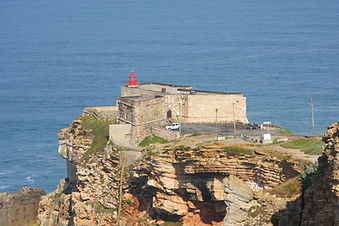
The Nazaré Lighthouse, Portugal. A stone structure standing exposed to the full force of the Atlantic Ocean

Dunluce Castle ruins haunt the Causeway Coast showing a glimpse into life in this area over 500 years ago

Mussenden Temple survives on the edge of the north Atlantic, Castlerock